How to Build an Interest-Based Travel Itinerary That Actually Works
Why Your Travel Plans Need a Personal Touch
Most travel itineraries are built around landmarks and tourist traps. They assume every visitor wants the same experience. But your travel style is unique. You might prefer quiet neighborhoods over crowded squares, or street food over fancy restaurants. An interest-based travel itinerary shifts the focus from what you "should" see to what you will genuinely enjoy. It saves time, reduces fatigue, and makes every stop feel meaningful.
Building one does not require a travel agent or hours of research. It takes a clear understanding of your preferences and a willingness to leave some room for spontaneity. The result is a trip that feels less like checking boxes and more like exploring a place on your own terms.
Start With Your Core Interests, Not the Destination
Before you open a map or search for top attractions, sit down and list what you love. Do you enjoy architecture, local history, or modern art? Are you drawn to nature, food, or local crafts? Write down three to five categories that excite you. These will become the backbone of your itinerary.
For example, if you are a fan of street photography, you will want to know where the city has colorful markets, graffiti alleys, or dramatic light at certain times of day. If you are a history buff, you will prioritize museums or historic districts but skip the generic souvenir shops. The trick is to match your interests with the destination's real character, not its postcard image.
Once you have your categories, search for resources that let you filter options by interest. Many travel apps and websites now offer filters for things like "food tours," "architecture walks," or "hidden gems." This saves you from drowning in generic recommendations. A Guided Tours interest-based travel itinerary does exactly that: it tailors self-guided audio walking tours to what you care about, your available time, and your walking pace. That kind of personalization is the core idea.
Match Interests to the Right Type of Exploration
Not every interest works the same way on the ground. Some interests call for a walking tour that moves from one site to another. Others work better as a single stop where you spend a couple of hours. Think about the format that fits each interest.
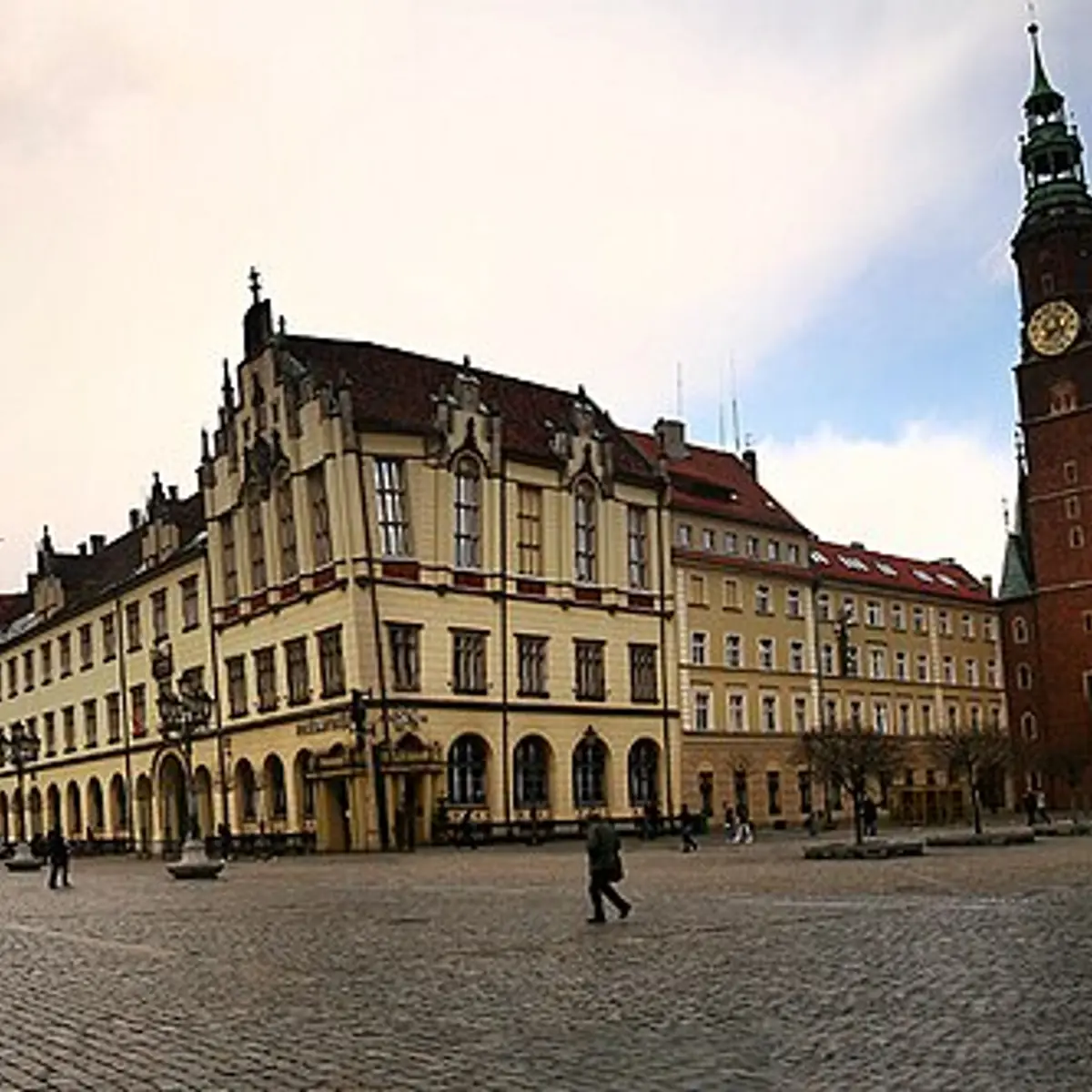
For instance, if you love local food, you might want a self-guided route that passes by three or four food stalls or bakeries within walking distance. If you love parks and gardens, a single large park with a map of notable trees or sculptures might be enough. If you are into architecture, a linear walk past several buildings with audio commentary can be more engaging than navigating a museum.
This is where a tool like Guided Tours comes in. It provides pre-built walking tours that you can follow at your own pace. The Guided Tours interest-based travel itinerary filters tours by your preferences, so you are not stuck with a generic city overview. Instead, you get a path that reflects what you actually want to see and learn about. You can pause, skip, or linger as you wish.
Balance Structure With Flexibility
A common mistake is overplanning. When you pack too many activities into a day, you end up rushing and missing the serendipitous moments. An interest-based itinerary should have a loose structure: a morning route, a lunch break, an afternoon activity, and an evening option. Leave one or two slots empty for spontaneous discoveries.
Check the walking distances and time estimates for each segment. If you are not a fast walker, add buffer time. If you enjoy taking photos, double the time you think you need. The best itineraries respect your natural rhythm, not a clock.
Trade-offs are part of the process. You may have to choose between two great options that overlap in time. That is fine. Pick the one that aligns more with your core interest. You can always return to the other on a future trip.
Use Technology Wisely, Not as a Crutch
Apps and maps can guide you, but they should not dictate your experience. Load your chosen route onto your phone before you head out. Download the audio or text content so you can access it offline. Keep your phone in your pocket and look up only when you need direction or a new commentary segment.
The best self-guided tours give you context without interrupting your flow. They tell you a story about the building you are looking at, then let you walk in silence for a block before the next point. That rhythm keeps you engaged without overwhelming you with facts.
If you are using an app like Guided Tours, you can browse tours by interest, read a short description, and decide if it matches your mood for the day. You are not locked into a schedule. You can start a tour when you feel like it and stop when you have had enough.
Test Your Itinerary Before You Go
If possible, walk through the route mentally using street view or a map. Look for potential obstacles: construction, steep hills, or areas that feel unsafe after dark. Adjust the route to avoid long stretches without shade or restrooms, especially in hot weather.
Check if any of your stops have limited hours or require advance booking. Some small museums or specialty shops close on certain days. A quick search can save you from a locked door. Also, confirm that the walking distances are realistic for your fitness level. A route that looks short on a map might feel long when you are tired.
How to Adapt on the Fly
No plan survives contact with reality. You might discover a street market that looks amazing, or a rain shower might force you indoors. That is okay. An interest-based itinerary is a guide, not a prison sentence. When something unexpected catches your eye, follow it. You can always skip a planned stop or save it for later.
Keep a mental (or written) list of backup options: a nearby cafe, a park bench, or a small shop. These give you flexibility without the stress of deciding from scratch. If you are using an audio tour, you can pause it and resume later. The key is to stay present and curious.

Evaluate What Worked After Each Day
At the end of the day, reflect on what you enjoyed most. Was it the quiet street you wandered into, or the tour that explained the history of a building? Note what you would do differently tomorrow. Over a multi-day trip, this habit helps you refine your approach and make each day better than the last.
This is also a good time to adjust your expectations. Maybe you discovered you prefer morning walks and afternoon rest. Or that you enjoy a mix of guided content and free exploration. Use that insight to plan the next day's itinerary.
Final Thoughts
An interest-based travel itinerary is not a rigid checklist. It is a framework that helps you spend your limited travel time on what matters most to you. By focusing on your personal interests, balancing structure with flexibility, and using tools that support your style, you create a trip that feels authentic and rewarding. Whether you are using an app like Guided Tours or building your own route from scratch, the goal is the same: to experience a place on your own terms, at your own pace, with your own curiosity leading the way.
Guided Tours on social media
 Twitter
 Facebook
 Instagram
 YouTube